All Categories
Featured
California Enrollment Requirements in 2026
Table of Contents
Covered California revealed its health insurance and rates for the 2026 protection year, highlighting a preliminary weighted typical rate increase of 10.3 percent. Nevertheless, this boost might be minimized if Congress takes prompt action to extend the federal enhanced premium tax credits that have actually played an important role in lowering expenses and driving enrollment increases nationally and in California the previous four years.
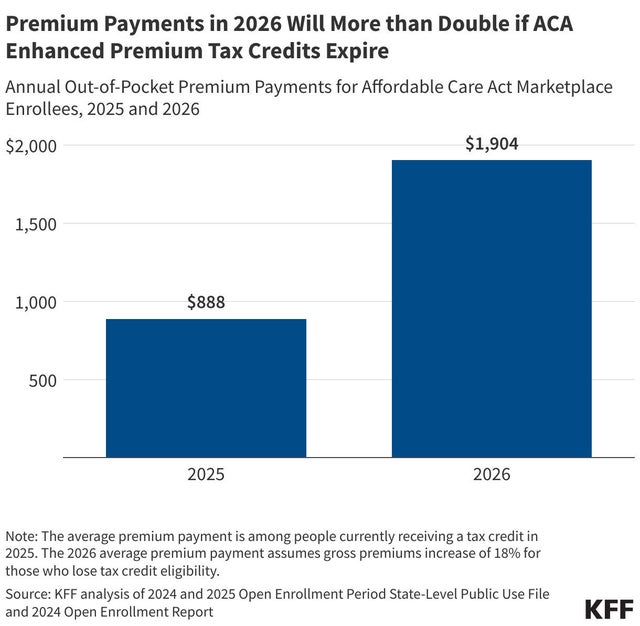
Federal healthcare policies are driving premiums up even further, especially the expiration at the end of 2025 of the federal enhanced premium tax credits that have helped lower premiums for millions of Americans considering that 2021. Integrated with these rate boosts, if Congress does not extend the improved premium tax credits, costs will rise considerably for customers in 2026.
From the loss of the boosted premium tax credits alone, 1.7 million enrollees in California could see an extra typical net premium boost of 66 percent. This would be a devastating boost for a majority of the exchange's enrollees, pricing lots of out of coverage. This story would be duplicated across the nation for consumers getting health insurance coverage through Client Protection and Affordable Care Act marketplaces.
"Escalating health insurance premiums are the last thing Americans need today," said Covered California Executive Director Jessica Altman. "There is still time for Congress to act and safeguard the healthcare of countless Americans who depend on market coverage, and we're hopeful that legislators on both sides of the aisle recognize the requirement to extend this important lifeline for working families.
Reviewing SoCal Medicare Advantage Options Today
California has also continued to support the access and affordability of healthcare, including state-funded assistance to Covered California enrollees that assists keep our market healthy and steady. Because of these efforts, Covered California has a considerably lower typical rate boost than the nationwide average of 20 percent. Figure 1: California's Rate Modification Lower Than National Average Covered California's 10.3 percent boost for 2026 reflects approximately proposed rates across all health insurance providers that offer private strategies.
They go through last evaluation and public remark by California's Department of Managed Healthcare (see Table 1: Covered California Individual Market Rate Changes by Score Area and Table 2: California Person Market Rate Changes by Carrier). Last rates will take result on Jan. 1, 2026, accompanying the potential sunset of the enhanced premium tax credits.
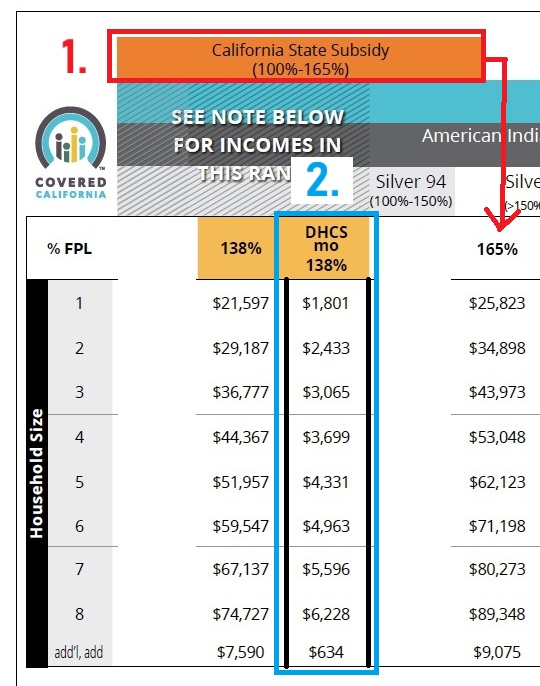
As a result, Californians with earnings above 200 percent of the federal poverty line ($31,300 for an individual or $64,300 for a household of four) were eligible to enroll in an Enhanced Silver 73 strategy without any deductibles and minimized out-of-pocket expenses. This year, California is continuing to take proactive steps to protect its lowest-income enrollees from the steepest rate boosts and decrease costs for consumers should the boosted tax credits end.
It would supply some extra support to those making up to 165 percent of the federal poverty line. While this funding will provide a significant lifeline for the lowest-income Covered California enrollees, it far from fills the $2.1 billion hole the federal government would be leaving. If Congress takes prompt action to extend the federal improved premium tax credits, Covered California will have the ability to preserve the present state improved advantage program, which offers strategies with lower out-of-pocket costs to many Covered California enrollees.
"Our success is a testimony to the quality health insurance coverage that is offered through Covered California, the federal improved premium tax credits that assist lower the expense of monthly premiums, and the worth that individuals see in having medical insurance for themselves and their households. We have lots of work still ahead of us, and that starts with Congress doing something about it to extend the tax credits that have assisted millions of Americans." Covered California stays a budget friendly choice for Californians In spite of the obstacles presented by federal unpredictability, Covered California's strong enrollment, combined with one of the healthiest customer pools in the nation, continues to bring in health insurance coverage business.
Essential Health Insurance Tips to California Families
In 2026, 11 health insurance companies will use plans throughout the state, making sure that all Californians have access to two or more choices. Additionally, 92 percent will have the ability to select from 3 carriers or more and 75 percent will have four or more carriers to select from. Changes for 2026 include Aetna's exit from the marketplace.
Orange County Insurance GuidesAbout Covered California Covered California's commitment to price and gain access to stays steadfast. Its proactive technique to negotiating rates, combined with state aids, showcases California's leadership ahead of time the objectives of the Affordable Care Act and securing its locals throughout this vital time.
Before, lots of individuals had additional financial help through Boosted Premium Tax Credits, however that assistance ended on Dec. 31, 2025. Rate boosts for Farmers Insurance coverage Group and the FAIR strategy are presently pending. Last year after the Los Angeles fires, State Farm got approval from the insurance coverage commissioner to raise rates by 17% for the typical property owner.

Latest Posts

Navigating 2026 Medi-Cal Eligibility
Navigating Your 2026 Medi-Cal Eligibility Requirements

Advantages of Working with Local Expert